Research & Development

Pioneering research that shapes the future of nanotechnology

Our dedicated research programmes explore new frontiers in nanoscience, developing breakthrough technologies that address tomorrow's challenges whilst creating commercial opportunities today.

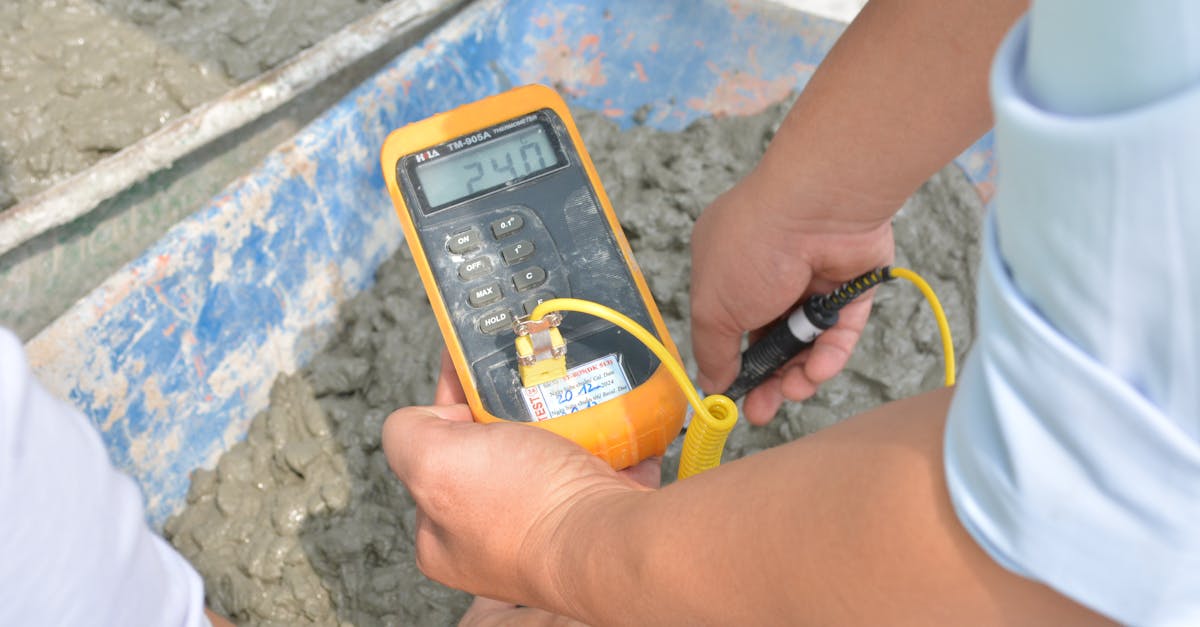
Hands using a digital thermometer to measure concrete temperature outdoors.
Research Focus Areas

Advancing nanotechnology across key domains

Our research programmes target critical areas where nanotechnology can create significant impact, from advanced materials to biotechnology applications.

Next-Generation Nanomaterials

Developing novel nanomaterials with enhanced properties for applications in electronics, energy storage, and advanced manufacturing. Our research focuses on scalable synthesis methods and practical applications.

Biomedical Nanotechnology

Investigating nanotechnology applications in healthcare, including drug delivery systems, diagnostic tools, and biocompatible materials for medical devices.

Environmental Applications

Research into nanotechnology solutions for environmental challenges, including water purification, air filtration, and sustainable materials development.

Energy & Electronics

Advanced research in nanoscale electronics, energy conversion, and storage technologies that could revolutionise how we generate and use energy.

Research Collaboration

Frequently asked questions about our research programmes

Learn more about how we conduct research and how your organisation can benefit from our nanotechnology expertise.

How can my organisation collaborate with Moss Harbor Pro on research projects?
We offer various collaboration models including joint research projects, contract research services, and technology licensing agreements. Our team works closely with industrial partners, academic institutions, and government agencies to develop mutually beneficial research programmes that address real-world challenges whilst advancing scientific knowledge.
What types of research facilities and equipment do you have access to?
Our research capabilities include advanced synthesis laboratories, characterisation equipment, and computational modelling resources. We also maintain partnerships with leading European research institutions, providing access to specialised equipment and expertise when required for specific projects.
How do you ensure intellectual property protection in collaborative research?
We have extensive experience in managing intellectual property in collaborative research environments. All partnerships begin with clear agreements regarding IP ownership, licensing rights, and commercialisation pathways. Our legal team ensures that all parties' interests are protected whilst enabling effective collaboration.
What is the typical timeline for research and development projects?
Project timelines vary significantly depending on complexity and scope. Proof-of-concept studies typically take 3-6 months, whilst more comprehensive development programmes may span 12-24 months. We provide detailed project planning and regular milestones to ensure transparency and progress tracking throughout the research process.